
Popular Searches:foot scanner | 3D scanner | 3D Printer | Design Software |



Tel :0755-86131192 86180201
Fax :0755-86180213
E-mail: [email protected]
Website: www.mmd000.cn
Address: 3A05, Minzhi Chamber of Commerce Building, Minzhi Avenue, Longhua District, Shenzhen
Are you here: Home > News > Industry NewsIndustry News
The innovative integration of foot 3D scanners and 3D printing technology
Time:2024-12-16 14:45:47Source:深圳市精易迅科技有限公司Views:586
The Innovative Integration of Foot 3D Scanners and 3D Printing Technology
In recent years, the healthcare and footwear industries have seen a significant shift toward personalized solutions for foot health. At the forefront of this innovation are two transformative technologies: foot 3D scanning and 3D printing. The integration of these technologies is not only revolutionizing the way we understand foot structure but also enabling the creation of highly customized and efficient products. This blog post explores how the innovative integration of foot 3D scanners and 3D printing technology is changing the landscape of foot care, offering new opportunities for precision, comfort, and individualized treatment.
Understanding Foot 3D Scanners
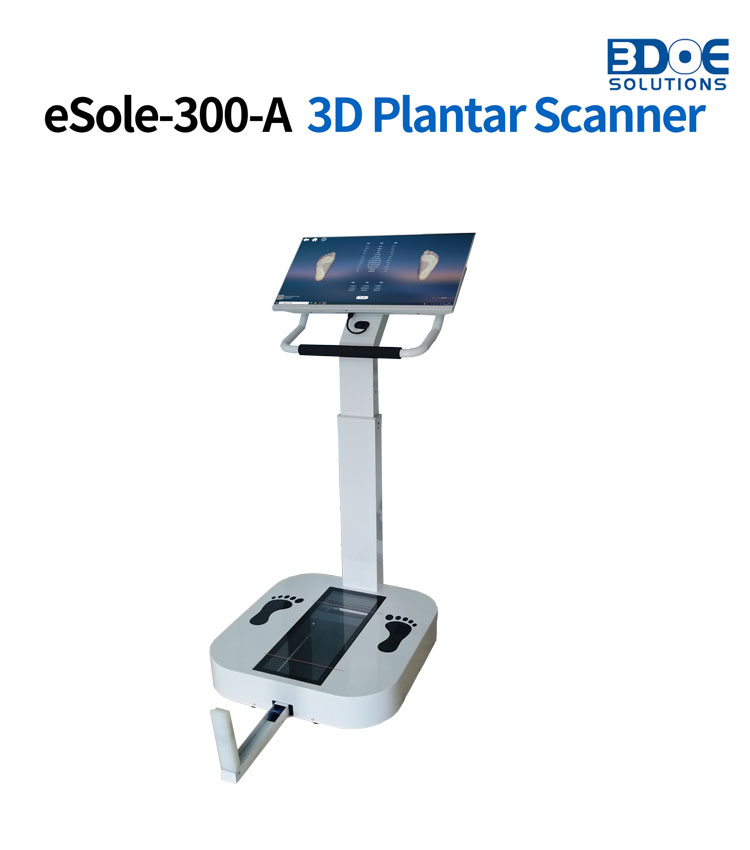
Before diving into the integration with 3D printing, it's important to understand what a foot 3D scanner is and how it works. A foot 3D scanner is a device that captures the exact shape, structure, and dimensions of a person's foot in three dimensions. Unlike traditional foot measurement methods that are often imprecise, 3D scanners create a digital model of the foot, providing detailed data on foot arch, toe alignment, pressure points, and more. This data can then be analyzed to identify any issues with foot structure, such as high arches, flat feet, or misalignments, which could be contributing to pain or discomfort.
The scanning process is quick, non-invasive, and highly accurate, making it a powerful tool for healthcare professionals, sports scientists, and footwear designers. By using 3D scanning technology, specialists can capture the foot's geometry with unparalleled precision, opening the door to personalized treatment options that were previously unavailable.
The Role of 3D Printing in Foot Care
3D printing, also known as additive manufacturing, is a technology that creates physical objects from digital models. The process involves layering materials to build up a three-dimensional object, allowing for the creation of complex shapes that would be difficult or impossible to produce using traditional manufacturing methods.
In the context of foot care, 3D printing has the potential to produce highly customized products such as orthotics, insoles, and even custom footwear. The ability to print these products with precision allows for a better fit and greater comfort, as the products are tailored to the specific needs of the individual’s foot.
Moreover, 3D printing technology can use a variety of materials, such as flexible plastics, to create orthotics and insoles that provide the right amount of support and cushioning. These customized products can address issues such as flat feet, high arches, or heel pain, and they can be created with faster turnaround times compared to traditional methods.
The Power of Integration: Foot 3D Scanners and 3D Printing
The integration of foot 3D scanners with 3D printing technology represents a major leap forward in foot care. This combination allows for the creation of truly personalized, precision-engineered products that can enhance foot health and improve overall well-being. Here's how the innovative integration of these technologies works:
1. Creating a Personalized Digital Foot Model
The process begins with the use of a foot 3D scanner to capture an accurate and detailed image of a person’s foot. The scan generates a digital 3D model, which contains all the necessary data about the foot’s shape, size, and structure. This model serves as the foundation for creating customized products, such as orthotics or insoles.
Unlike traditional methods of foot measurement, which often rely on generic templates, the 3D scan ensures that the product is designed specifically for the individual’s foot. The model captures subtle details, such as pressure points and alignment issues, that may be difficult to identify using conventional techniques.
2. Customizing Products Using the Digital Model
Once the digital model of the foot is created, it can be customized based on the specific needs of the individual. For example, if a person has flat feet, the data from the 3D scan can be used to design an orthotic that provides additional arch support. If someone has high arches, the scan data can guide the creation of a product that offers cushioning and shock absorption to reduce pain.
The digital model can also take into account any particular foot conditions, such as bunions, hammertoes, or plantar fasciitis, and ensure that the customized product addresses these issues. The flexibility of the 3D design process allows for fine-tuning, ensuring that the final product provides the right amount of support and comfort.
3. 3D Printing the Custom Product
Once the customized design is finalized, the next step is to use 3D printing to create the physical product. The digital model is sent to a 3D printer, which uses specialized materials to print the product layer by layer. This process allows for a high degree of precision and ensures that the product matches the exact specifications of the digital model.
For example, custom insoles or orthotics can be printed with materials that provide a balance of flexibility and support, ensuring that they are comfortable and durable. The 3D printing process also enables the creation of products with intricate features, such as adjustable cushioning or ventilation channels, that improve the product’s performance.
One of the main advantages of 3D printing is the ability to produce highly complex shapes that traditional manufacturing methods cannot achieve. This allows for products that perfectly fit the unique contours of an individual’s foot, improving both comfort and functionality.
4. Faster Turnaround Times and Cost-Effectiveness
In addition to precision and customization, the integration of foot 3D scanners and 3D printing offers faster production times compared to traditional methods. Traditional orthotics or insoles can take days or even weeks to produce, depending on the complexity of the design. With 3D printing, the process is much faster, allowing for quicker delivery of custom products.
This reduction in production time also makes the technology more cost-effective. Traditional orthotics and footwear often require multiple visits to a specialist, along with the creation of molds and additional adjustments. In contrast, the 3D scanning and printing process is streamlined, reducing the number of steps involved and the associated costs.
5. Precision and Accuracy in Footwear Design
In addition to orthotics and insoles, the integration of foot 3D scanners and 3D printing is also transforming the footwear industry. Shoe designers can use the 3D scanning data to create customized shoes that perfectly fit the contours of an individual’s foot. This ensures that the shoes provide maximum comfort and support, reducing the risk of foot problems such as blisters, calluses, and other discomforts.
Custom footwear created through 3D printing can be designed to accommodate specific foot conditions or athletic needs. For example, a runner might require shoes that offer extra cushioning in certain areas, while someone with flat feet may need more arch support. The combination of 3D scanning and 3D printing makes it possible to produce shoes that are tailored to the individual’s exact specifications.
The Benefits of the Innovative Integration
1. Improved Comfort and Fit
One of the most significant benefits of this integration is the improvement in comfort and fit. Custom orthotics, insoles, and footwear created using 3D scanning and printing are designed to meet the unique needs of each individual. This results in products that fit better and provide superior comfort compared to generic, off-the-shelf options.
2. Enhanced Performance
For athletes, the precision and customization offered by this technology can enhance performance. Custom orthotics and shoes can provide the necessary support and cushioning to reduce fatigue and prevent injuries, helping athletes perform at their best. Additionally, the ability to create shoes that are tailored to specific sports, such as running or basketball, ensures that the footwear enhances performance while minimizing the risk of injury.
3. Better Health Outcomes
For individuals with foot problems such as plantar fasciitis, flat feet, or high arches, the integration of foot 3D scanners and 3D printing can lead to better health outcomes. Custom orthotics and footwear can address these issues, reducing pain and discomfort while promoting better foot health.
By providing a more accurate and personalized approach to foot care, this integration allows for faster recovery and long-term relief from foot-related issues.
4. Sustainability
The use of 3D printing in the production of foot care products also has environmental benefits. Since 3D printing is an additive process, it reduces waste by using only the materials necessary to create the product. Additionally, the precision of 3D printing means that products are less likely to need adjustments or rework, further reducing waste.
The Future of Foot 3D Scanners and 3D Printing
As both 3D scanning and 3D printing technologies continue to evolve, we can expect even greater advancements in the customization and production of foot care products. The integration of these technologies is set to revolutionize the way we approach foot health, offering more accurate, comfortable, and affordable solutions for individuals of all ages.
With further improvements in materials and software, it’s likely that we will see even more personalized and specialized products, including shoes that adapt to the wearer’s foot shape over time or orthotics that adjust to changes in foot health. The potential for innovation in this space is immense, and the combination of foot 3D scanners and 3D printing is at the heart of this exciting future.
Conclusion
The innovative integration of foot 3D scanners and 3D printing technology is transforming the way we approach foot care. By combining the precision of 3D scanning with the customization capabilities of 3D printing, we can create personalized products that improve comfort, performance, and overall foot health. This powerful combination is paving the way for a future where foot care is more accessible, efficient, and tailored to the unique needs of each individual. Whether for medical purposes, sports performance, or everyday comfort, the integration of these technologies is revolutionizing the foot care industry.