
Popular Searches:foot scanner | 3D scanner | 3D Printer | Design Software |



Tel :0755-86131192 86180201
Fax :0755-86180213
E-mail: [email protected]
Website: www.mmd000.cn
Address: 3A05, Minzhi Chamber of Commerce Building, Minzhi Avenue, Longhua District, Shenzhen
Are you here: Home > News > Industry NewsIndustry News
Can the plantar pressure distribution tester be used for self-assessment of foot health?
Time:2024-12-27 15:27:03Source:深圳市精易迅科技有限公司Views:500
Can the Plantar Pressure Distribution Tester Be Used for Self-Assessment of Foot Health?
Foot health plays a critical role in our overall well-being. From maintaining proper posture to avoiding pain and injuries, understanding the condition of your feet can significantly improve your quality of life. With the advancement of technology, tools like the plantar pressure distribution tester have become increasingly accessible. But can this tool truly be used for self-assessment of foot health? Let’s explore how this device works, its benefits, and how it can empower individuals to take charge of their foot health.
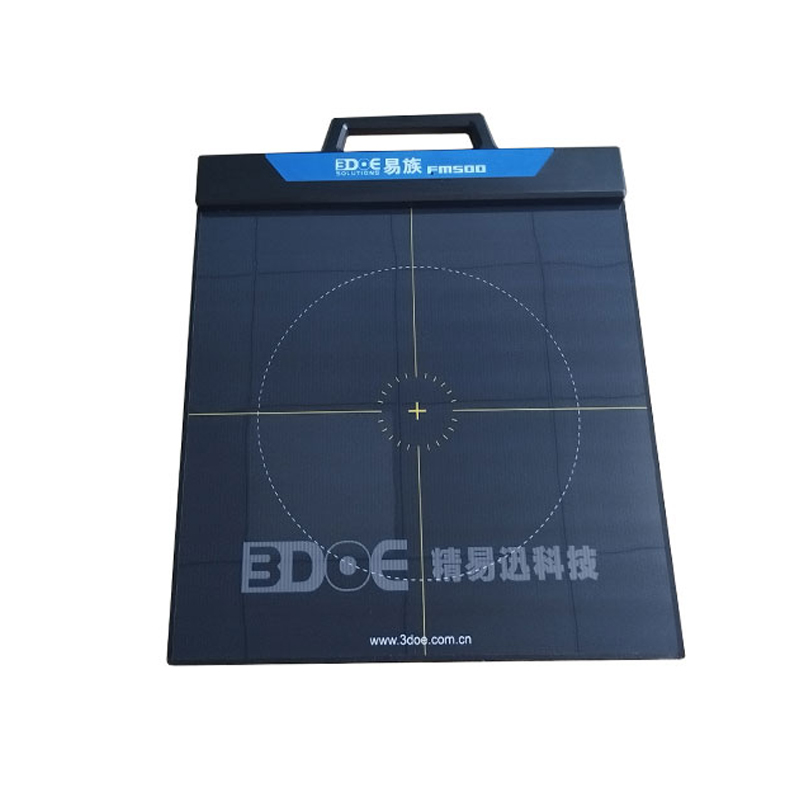
Understanding the Plantar Pressure Distribution Tester
The plantar pressure distribution tester is a specialized device designed to measure the forces exerted by different areas of the foot while standing, walking, or running. It uses sensors to capture real-time data on foot pressure and creates a visual representation of how weight is distributed across the foot. This information helps identify patterns that might indicate foot health issues, such as uneven weight distribution, high pressure points, or imbalances.
How Does It Work?
Sensor Technology
The device typically features a platform or insoles equipped with pressure sensors. These sensors detect and record the pressure exerted by various parts of the foot.Data Collection
Users stand, walk, or run on the device, and the sensors capture data on foot pressure and distribution patterns.Analysis and Reports
The device processes the data to generate reports, which may include visual maps of pressure distribution, gait analysis, and insights into foot health.Feedback and Recommendations
Some advanced devices offer personalized recommendations, such as exercises, footwear adjustments, or further medical consultation.
Can It Be Used for Self-Assessment?
Yes, the plantar pressure distribution tester can be an effective tool for self-assessment of foot health. While it’s not a substitute for professional medical advice, it provides valuable insights that individuals can use to monitor their foot condition and take proactive steps to address potential issues.
Benefits of Using the Device for Self-Assessment
Early Detection of Issues
By identifying irregularities in foot pressure or gait, users can detect potential problems early, such as flat feet, high arches, or overpronation.Convenience
The device is easy to use at home, eliminating the need for frequent visits to a clinic.Cost-Effective
Over time, investing in a plantar pressure distribution tester can be more economical than repeated consultations for minor foot health concerns.Personalized Insights
The data collected is specific to the individual, enabling tailored solutions for better foot health.
Common Foot Health Issues the Device Can Detect
Flat Feet
A lack of arch support leads to even pressure distribution across the foot.High Arches
Excess pressure on the heel and ball of the foot may indicate high arches, which can cause pain and instability.Overpronation or Supination
These gait abnormalities result in uneven weight distribution, potentially leading to injuries.Calluses and Corns
Areas of high pressure often correspond to callus or corn formation.Foot Pain or Discomfort
By identifying pressure points, users can determine the source of foot pain.
Steps for Effective Self-Assessment
Step 1: Set Up the Device
Ensure the device is placed on a flat, stable surface. If using sensor-equipped insoles, insert them into your shoes.
Step 2: Perform the Test
Stand, walk, or run on the device as instructed. For accurate results, follow the manufacturer’s guidelines.
Step 3: Review the Data
Analyze the reports generated by the device. Look for patterns or irregularities in pressure distribution.
Step 4: Take Action
Based on the findings, make adjustments to your footwear, posture, or activities. Seek professional advice if the data indicates significant abnormalities.
Limitations of Self-Assessment
While the plantar pressure distribution tester is a powerful tool, it’s important to acknowledge its limitations:
Not a Replacement for Medical Diagnosis
The device provides valuable data but cannot diagnose complex conditions or injuries.Requires Interpretation Skills
Understanding the data may require some knowledge or guidance from a professional.Limited Scope
It focuses on foot pressure and gait but doesn’t account for other factors affecting foot health, such as nerve issues or circulation problems.
Who Can Benefit Most from Self-Assessment?
Athletes
Runners and athletes can monitor their gait and identify areas for improvement to enhance performance and reduce injury risks.Elderly Individuals
Older adults can use the device to monitor changes in foot health and prevent falls or discomfort.People with Chronic Conditions
Individuals with diabetes, arthritis, or other chronic conditions can track foot health to avoid complications.Everyday Users
Anyone interested in maintaining healthy feet can benefit from regular self-assessment.
When to Seek Professional Help
While the plantar pressure distribution tester is a helpful tool, certain situations require professional consultation:
- Persistent pain or discomfort despite adjustments
- Visible deformities, swelling, or skin issues
- Significant gait abnormalities or mobility challenges
- Medical conditions like diabetes with high foot health risks
The plantar pressure distribution tester is a game-changer for foot health management, offering a convenient and effective way to self-assess and monitor foot conditions. By providing detailed insights into pressure distribution and gait patterns, it empowers individuals to take control of their foot health and make informed decisions.
While it’s not a substitute for professional care, this device bridges the gap between awareness and action, enabling early detection of issues and promoting overall well-being. Whether you’re an athlete, an older adult, or simply someone who values foot health, investing in a plantar pressure distribution tester could be the first step toward healthier, happier feet.